
Reading Property Tax Records and Parcel Assessment Data
Reading property tax records are administered through Berks County, which conducts all property assessments for parcels within city limits. As the county seat of Berks County and Pennsylvania's fourth-largest city, Reading has an established record-keeping infrastructure for property tax data accessible both online and in person. This guide covers how to search Reading property tax records, how the Berks County assessment process works, what the records contain, and what relief programs are available to qualifying Reading property owners in south-central Pennsylvania.
Reading Quick Facts
How Reading Property Assessments Are Handled
Property assessments for all parcels within Reading are conducted by the Berks County Assessment Office, located at 633 Court Street, 3rd Floor, Reading, PA 19601. Under Pennsylvania law, property assessment is a county function, not a city function. This means that even though Reading levies its own municipal property tax, it does not determine the assessed value of any parcel within its boundaries. The Berks County Assessment Office is solely responsible for establishing and maintaining the assessed value used by all three taxing bodies in the Reading area: Berks County, the City of Reading, and the Reading School District.
Berks County uses a base year assessment system consistent with Pennsylvania's assessment framework. Assessed values in the county are tied to a specific base year rather than being updated annually to reflect current market prices. This means the assessed value for any Reading property reflects what the county determined the property was worth in the applicable base year, adjusted only for specific events such as new construction, demolition, or formal appeals. Property owners who are unsure what base year applies to their Reading property should contact the Berks County Assessment Office directly for clarification.
The Berks County website provides access to the assessment office's contact information and online resources. For residents of Reading, this county portal is the starting point for any inquiry about how their property's value was determined and what assessment data is on file for their address.
Note: Reading is the county seat of Berks County, so both county and city government offices are concentrated in the same geographic area, making in-person visits to multiple offices relatively convenient for city residents.
Searching Reading Property Tax Records Online
The Berks County online property search system provides public access to assessment records, sales history, and parcel data for all Reading properties. Users can search by property address, parcel identification number, or owner name to retrieve the county's official records for a specific parcel. The search returns the property's current assessed value, its land and building breakdown, recorded ownership information, and the history of recent sales transactions.
The Berks County portal's property data for Reading addresses includes physical characteristics such as lot dimensions, total building area, year of construction, number of stories, and the property's condition and grade as recorded by county assessors. These attributes are the inputs to the valuation model used to determine assessed values. Reviewing this data carefully can reveal whether any physical characteristics are recorded inaccurately, which can be the basis for a successful assessment appeal if the error results in a higher assessed value than the corrected data would support.
The Pennsylvania Department of Revenue administers statewide property tax relief programs available to qualifying Reading residents, including the Property Tax/Rent Rebate.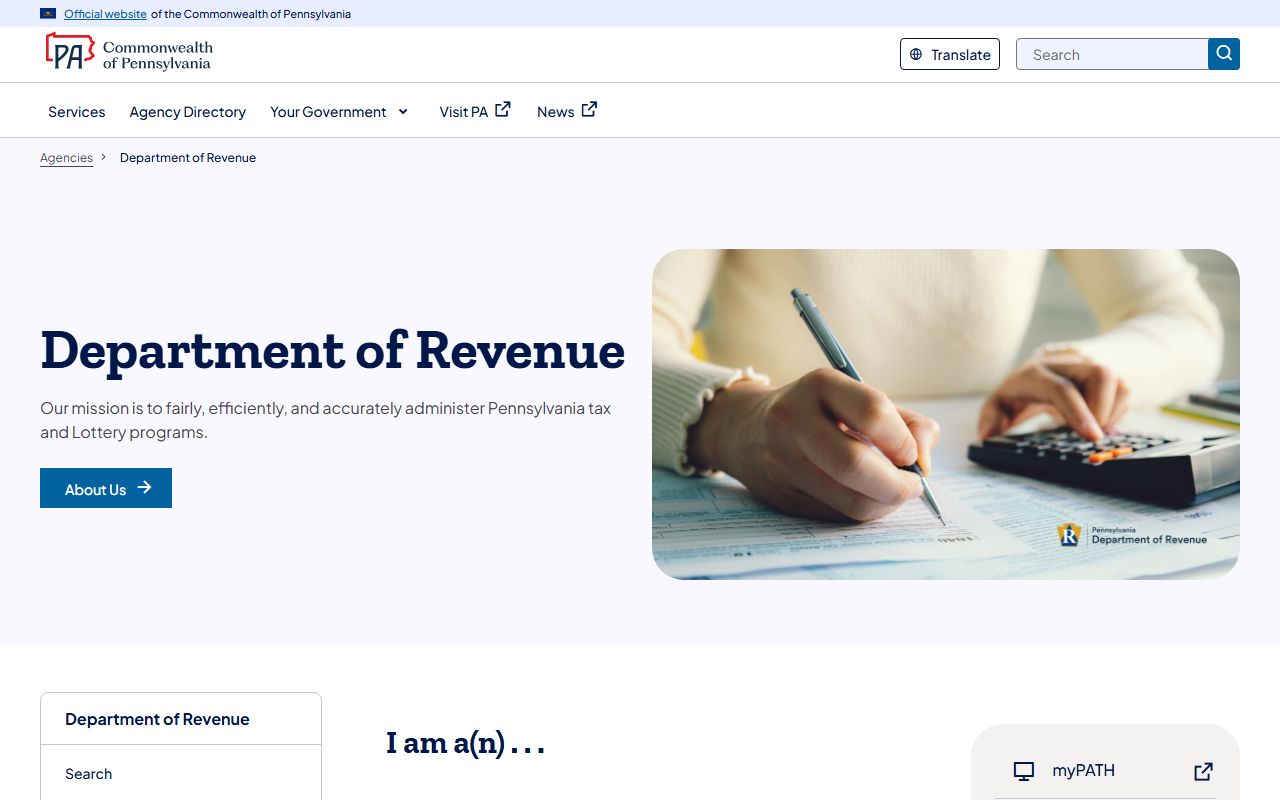
The Department of Revenue's website provides application forms, eligibility information, and contact details for property tax relief programs that Reading residents can access regardless of their specific neighborhood or property type.
The City of Reading's official website provides access to city services including resources related to municipal property taxes. While the city does not administer assessments, it does bill and collect the municipal portion of property taxes, and the city's website is the correct resource for questions about city tax bills, payment options, and delinquency on the municipal levy specifically.
The Pennsylvania Right-to-Know Law applies to Berks County and the City of Reading, allowing any person to request public records that are not available through standard online portals. Property records are presumed public under this law, and formal requests can be submitted to each agency's open records officer.
Reading Property Tax Records: In-Person Access
The Berks County Assessment Office at 633 Court Street, 3rd Floor, Reading, PA 19601 is the primary in-person location for accessing Reading property tax records. Staff at this office can provide printed copies of assessment records, answer questions about how specific values were calculated, explain the appeal process, and help property owners understand what data the county has on file for their parcel. Because Reading is the county seat, this office is centrally located and accessible for city residents without long travel.
For city-specific tax matters, Reading's Department of Finance or Tax Collector handles billing and collection of the municipal property tax levy. Property owners with questions about city tax bills, current balances, payment arrangements, or tax lien status should contact the city's tax collection office through the City of Reading's website. School district taxes are billed and collected separately by the Reading School District, so a complete review of all taxes on a Reading property requires consulting the county assessment office, the city tax collector, and the school district.
Berks County's Recorder of Deeds, also located in the county courthouse complex, maintains all recorded property instruments for Reading parcels including deeds, mortgages, and liens. Title researchers and property buyers who need to verify the chain of title or check for outstanding liens on a Reading property can access these recorded documents through the Recorder of Deeds office or its online search system through the Berks County website.
Appealing Reading Property Tax Assessments
Reading property owners who believe their Berks County assessed value is inaccurate can file a formal appeal with the Berks County Board of Assessment Appeals. This board functions independently from the assessment office and reviews evidence submitted by property owners before making a determination. The standard annual appeal deadline in Berks County is August 1, though property owners should confirm the current deadline with the assessment office or the Board of Assessment Appeals directly, as deadlines can shift depending on circumstances in a given year.
A successful appeal before the Berks County board requires demonstrating that the assessed value does not accurately reflect the property's market value as of the applicable base year. Evidence typically includes comparable sales data from properties similar in size, age, and location to the subject property. A licensed real estate appraiser can prepare a formal appraisal report using the appropriate methodology, or property owners may present their own analysis and supporting documents to the board. Hearings are relatively accessible and do not require legal representation, though some Reading property owners choose to work with a tax attorney or consultant familiar with Berks County assessment practices.
If the Board of Assessment Appeals does not resolve the matter satisfactorily, Reading property owners can further appeal to the Berks County Court of Common Pleas. The Pennsylvania Consolidated Statutes, Title 72, governs the legal framework for the appeal process statewide and defines the rights and procedures available to property owners at every stage.
Note: Berks County and the Reading School District each have the independent right to appeal assessments they believe are too low, particularly following sales at prices significantly above the recorded assessed value. Property owners who recently purchased should be aware of this possibility.
Property Tax Relief Programs for Reading Residents
Reading property owners have access to several programs that can reduce annual tax obligations. The Homestead Exclusion reduces the assessed value used for county and school district tax calculations for owner-occupied primary residences. Berks County and the Reading School District each set their own exclusion amounts, and property owners must apply to have the exclusion reflected in their tax bill. Applications are available through the Berks County Assessment Office and must be submitted by the applicable annual deadline.
The Pennsylvania Department of Revenue administers the Property Tax/Rent Rebate program, which provides annual cash rebates to qualifying Pennsylvania residents. To qualify, applicants must be at least 65 years old, a widow or widower aged 50 or older, or a person with a disability aged 18 or older, and must meet the program's income limits. The rebate amount is based on income and ranges from $380 to $1,000. Reading has a high percentage of residents who may qualify for this program, and local state legislators' district offices often provide free application assistance. The program deadline is typically June 30 for the prior year's taxes.
Pennsylvania's Right-to-Know Law provides a formal mechanism for requesting property records from Berks County and the City of Reading that may not be available through standard public portals.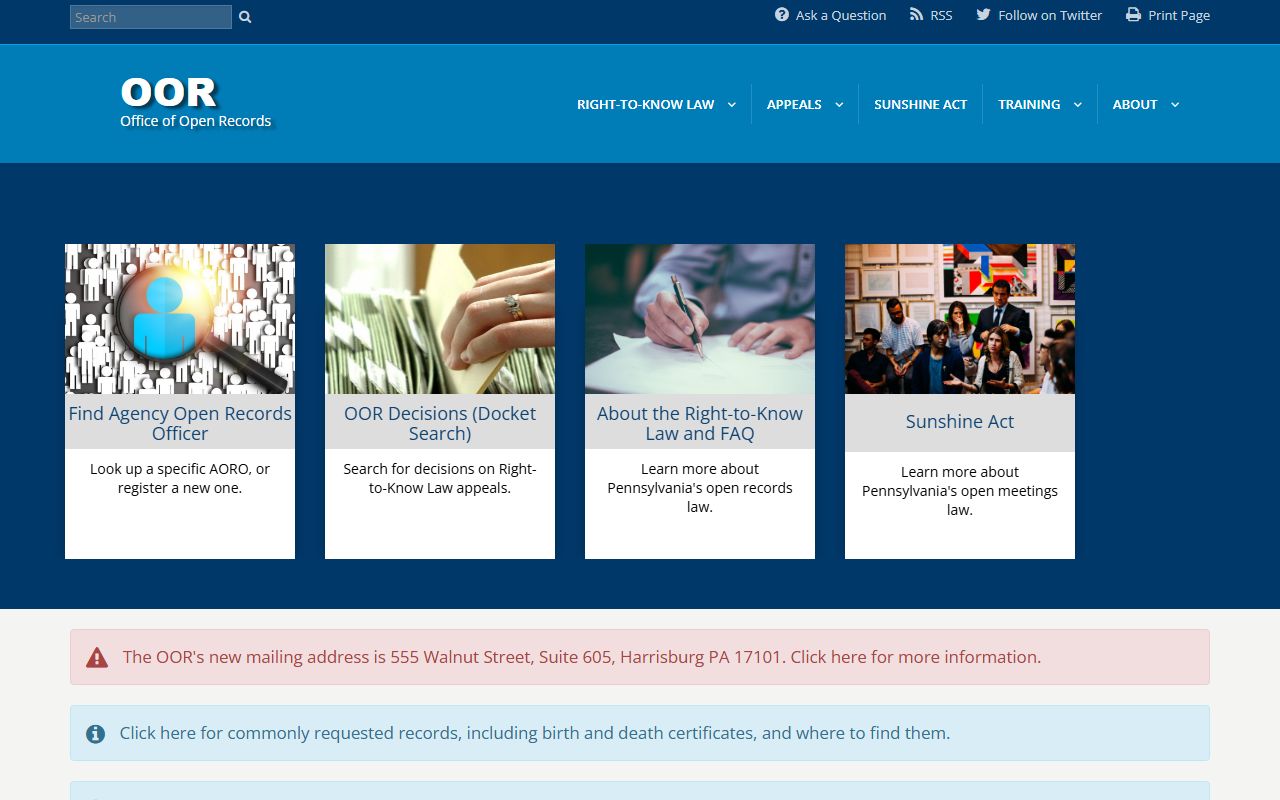
All Pennsylvania government agencies including Berks County are subject to this law, and property records are presumed public, meaning residents can formally request documents without needing to state a reason for the request.
Pennsylvania's Act 1, the Taxpayer Relief Act, directs gaming revenue to reduce school property tax burdens statewide, including in the Reading School District. This reduction is applied directly to school property tax bills, so Reading property owners benefit from this relief without needing to apply separately. The Pennsylvania Department of Community and Economic Development also administers programs relevant to Reading's urban core, including Keystone Opportunity Zone designations and related tax incentives that can affect commercial and industrial property owners within those zones.
What Reading Property Tax Records Contain
Berks County maintains a comprehensive record for each Reading parcel that includes the parcel identification number, current ownership information, the mailing address used for tax billing, and the legal description of the property. Sales history in the record shows prior transfer dates, recorded sale prices, and the names of buyers and sellers involved in each transaction. This data allows researchers and property owners to trace ownership changes over time and to understand how the property's transactional history has informed the county's assessment decisions.
Physical property characteristics on record for each Reading parcel include lot dimensions, total building area in square feet, year of original construction, number of building stories, structural type, and the condition and quality grades assigned by county assessors during the most recent inspection or data review. These attributes directly drive the assessed value calculation under the county's valuation model. When any of these recorded characteristics are incorrect (for example, if the square footage on file is larger than the building's actual size), correcting the record through the appeal process can result in a lower assessed value and a reduced tax bill.
Tax records maintained separately by the city and school district show the annual bill amounts, payment history, and any delinquencies for each levy. Delinquent city and school taxes are transferred to Berks County's Tax Claim Bureau, which administers collection of delinquent taxes and conducts tax sales for properties with significant outstanding balances. Title professionals and buyers reviewing Reading properties should check the Tax Claim Bureau's records in addition to current year tax bills to confirm there are no outstanding delinquencies that could become liens against the property.
Related Offices and Resources for Reading Property Owners
The Berks County Assessment Office at 633 Court Street is the central resource for all Reading property assessment questions. The Berks County website also provides access to the Recorder of Deeds, the Tax Claim Bureau, and the Prothonotary's office, all of which maintain records that may be relevant to Reading property owners researching their parcel's history or legal status. The Recorder of Deeds is particularly important for title research, as it holds the official chain of deed transfers for every Reading parcel.
The City of Reading's website connects residents to the city's tax collection office, finance department, and other municipal services related to property ownership within city limits. Code enforcement records, building permits, and zoning decisions are also maintained at the city level and can be relevant to understanding a property's current status and any conditions affecting its use or value.
The Pennsylvania Department of Revenue provides statewide guidance on property tax matters, including the Property Tax/Rent Rebate program, and publishes the annual common level ratios that courts use in property tax appeals throughout Pennsylvania. The Department of Community and Economic Development offers resources for local governments and property owners on housing rehabilitation, community development, and economic incentive programs active in Reading and Berks County. The Pennsylvania Consolidated Statutes provide the full legal text governing every aspect of property assessment and taxation in the Commonwealth.
Note: Reading's Tax Increment Financing districts and other development incentive zones may affect how certain commercial properties are taxed within designated areas of the city. Property owners in these zones should review applicable ordinances through the City of Reading's planning or finance office.
Berks County Connection
Reading property tax records are assessed and administered through Berks County. For county-level assessment data, parcel information, and appeal resources covering all Reading properties, the county records system is the authoritative source.
Nearby Cities
Explore property tax records for other Pennsylvania cities near Reading.